LATEST NEWS

From Raw Harvests to Refined Wealth: How Agro-Processing Mills in Kumba and Bombe Are Transforming Rural Livelihoods
News
29 Mar
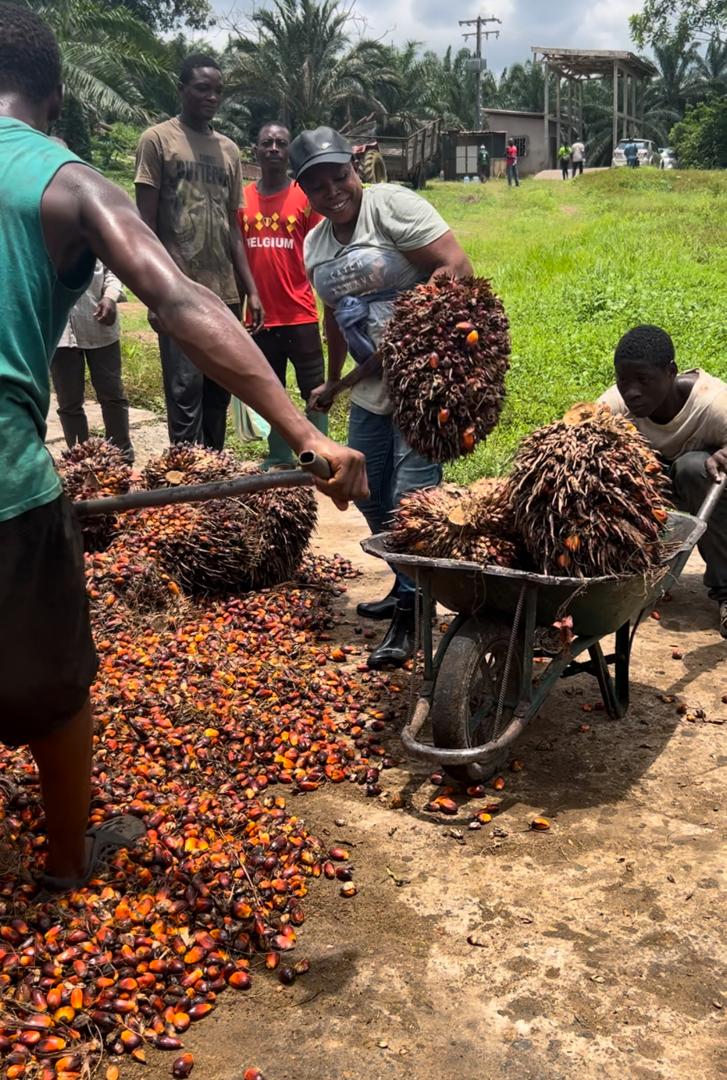
In the South West Region of Cameroon, cocoa and oil palm farming have long been a backbone of rural livelihoods. Yet for years, farmers in Kumba and Bombe faced a persistent and deeply entrenched challenge. Despite their hard work and tending to some of the most fertile volcanic soils in the world, they earned very little. The reason was simple, most farmers could only sell their crops in raw form, earning a fraction of the value their produce could command if processed. In Cameroon, 75% of cocoa is exported as raw beans, with farmers receiving less than 10% of the final chocolate retail price. Similarly, oil palm farmers selling fresh fruit bunches (FFB) saw a benefit-cost ratio of just 0.9, compared to 1.5 for those able to process and sell palm oil. The result was low, unstable incomes and little hope for economic advancement.
This limited income affected not just individual households, but entire communities, restricting investments in education, health, and farm expansion. In Kumba and Bombe, this challenge also posed a broader economic risk. Local agricultural systems remained stuck at the lowest rung of the value chain, with minimal contribution to agro-industrial growth or job creation.
A Distinct Intervention: Building Capacity, Not Just Infrastructure
To address this gap, the Agriculture Infrastructure and Value Chain Development Project (AIVDP), funded by the Islamic Development Bank (IsDB) and the Lives and Livelihoods Fund (LLF), introduced a targeted, multi-layered intervention. Two modern semi-industrial processing mills were constructed and fully equipped. A cocoa processing mill in Kumba and an oil palm processing mill (achieving a 19% extraction rate, well above the artisanal average of 14%) in Bombe.
Rather than operate these facilities directly, AIVDP handed them over to two local cooperatives already engaged in cocoa and oil palm production: the South West Association of Cooperatives Union (SWACU-BOD) and the Meme Fako Integrated Oil Palm Producers and Marketing Cooperative Society with BOD (MFIOPPROM-COOP-BOD). This ensured that ownership, responsibility, and benefits remained within the communities.
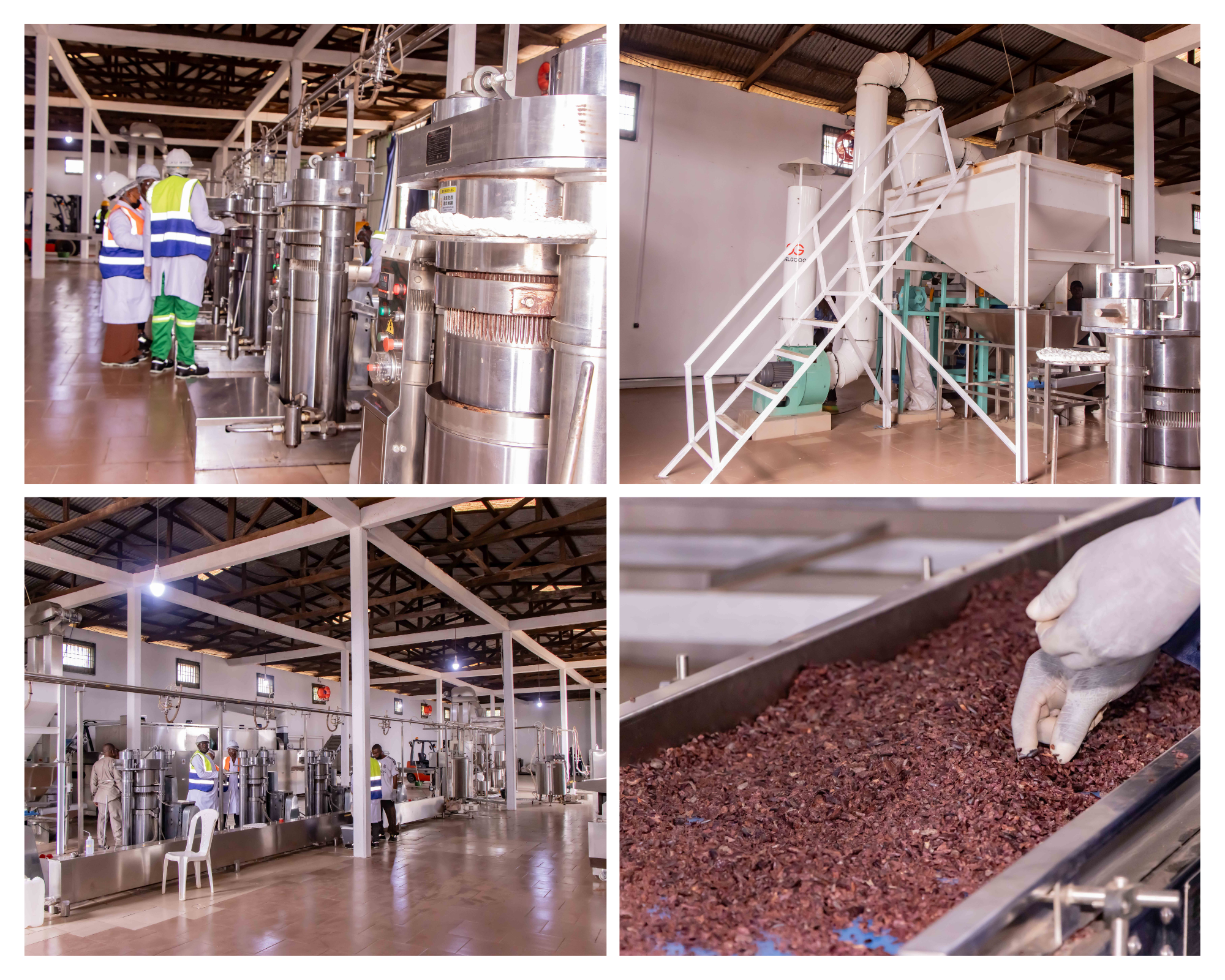
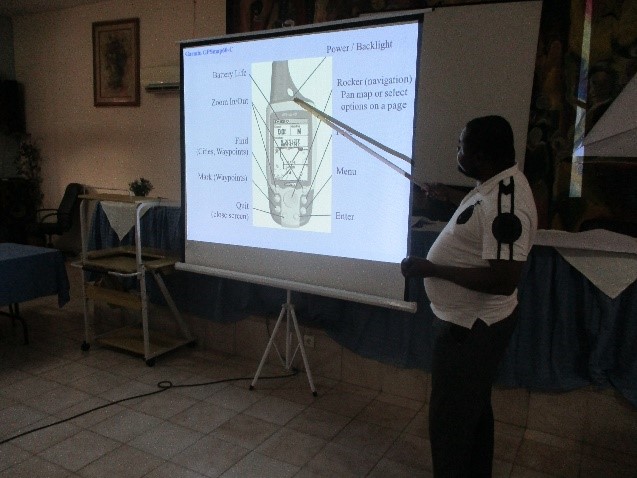
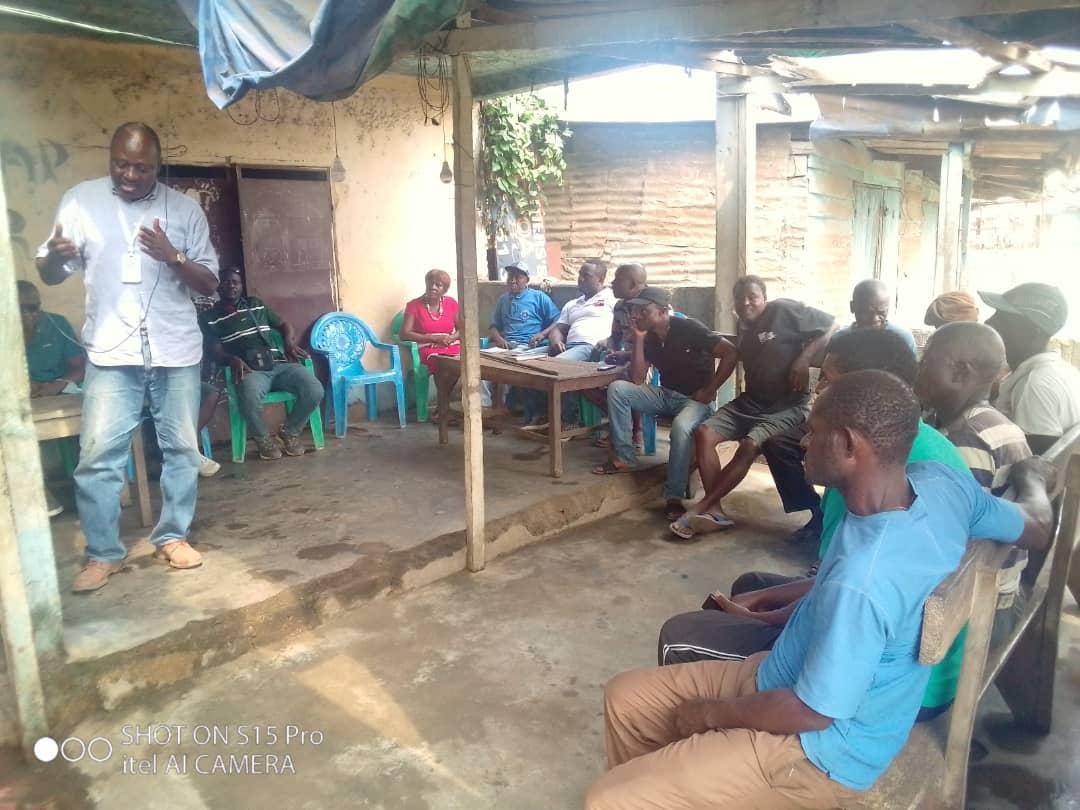
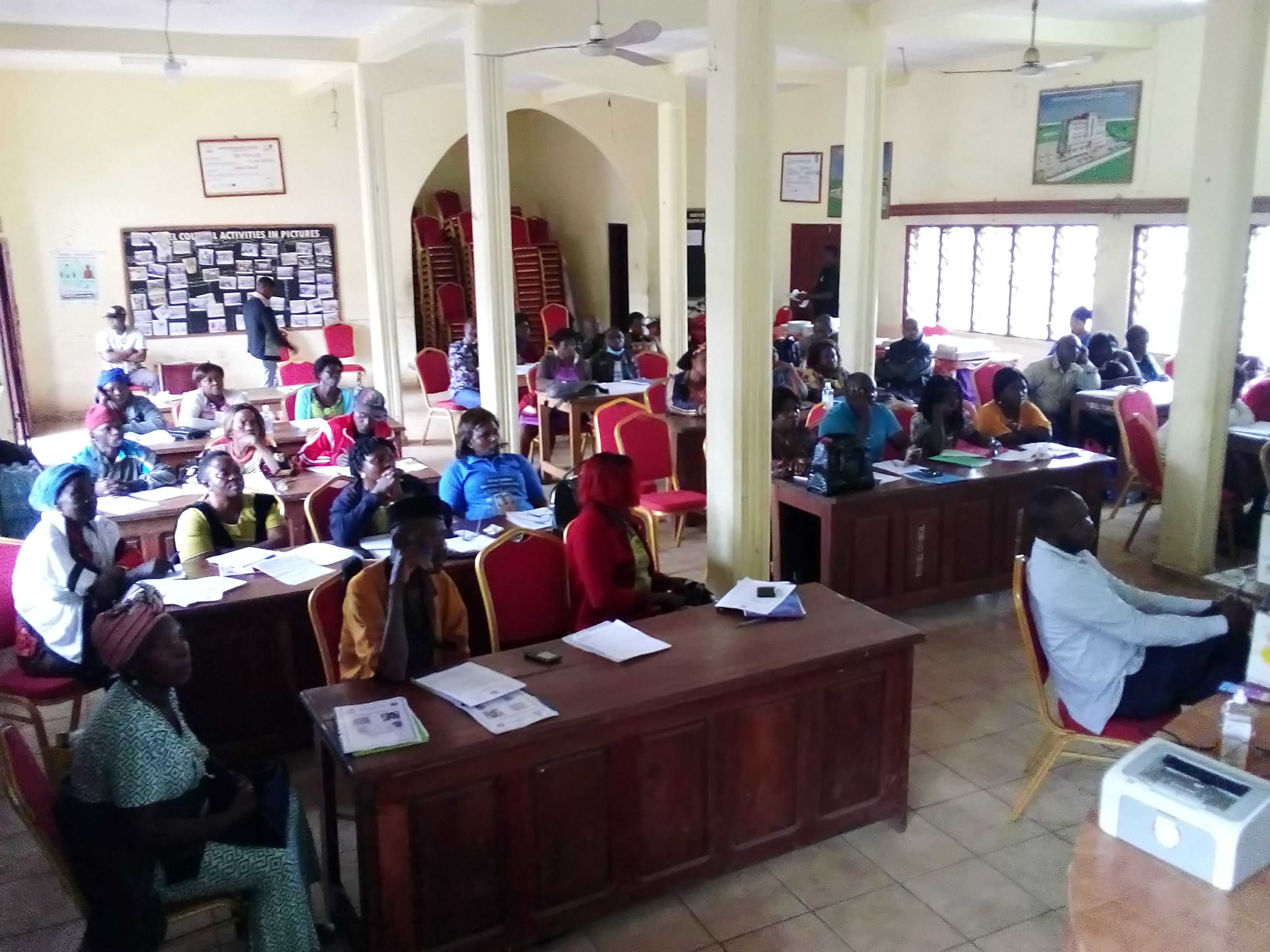
But what made this intervention truly effective was its holistic design. AIVDP did not stop at infrastructure. The Project also trained cooperative members to function as business entities, strengthening governance, financial management, and market positioning, provided technical training on operating and maintaining the mills efficiently and organized exchange visits to successful cooperatives running similar processing facilities, allowing members to learn from proven models. This combination of physical assets and human capacity development ensured sustainability and long-term impact.
From Producers to Value Creators
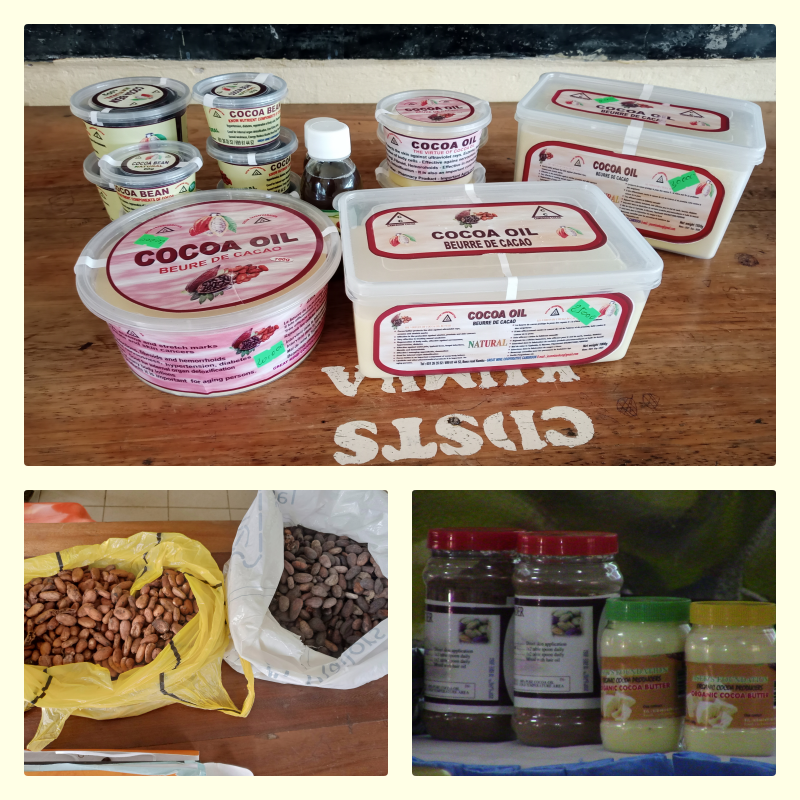
The results have been transformative. Where farmers once sold raw cocoa beans and palm fruits at low prices, they are now producing and marketing higher-value products such as: cocoa powder and chocolate, palm oil and palm kernel oil. This shift has significantly increased their income potential as the chairman of the cocoa cooperative in Kumba Mr. Akama Bua highlights “Before this mill, we worked very hard but earned very little because we sold only raw cocoa. Today, we are producing cocoa powder and we are on our way to producing chocolate. Our income has improved, and our members now see farming as a real business. We are very grateful to AIVDP, IsDB, and LLF for bringing this transformation to our community.”
Similarly, the President of the oil palm cooperative in Bombe, Mr. Mukete Richard emphasized the broader impact:
“This mill has changed everything for us. Instead of selling palm fruits cheaply, we now process and sell palm oil and palm kernel oil at much better prices. Even farmers who are not part of our cooperative come here to process their produce. We sincerely thank AIVDP, IsDB, and LLF for empowering us and trusting us with this facility.”
Early cooperative reports indicate improved earnings for members, with some households seeing notable increases in seasonal income due to value addition.
The benefits extend beyond cooperative members. The mills operate as community assets, offering processing services to other farmers in the area. This has created a ripple effect, expanding access to value addition and reducing post-harvest losses across the wider farming population. The mills have also created new jobs in processing, logistics, and marketing, benefiting both cooperative members and the wider community.
At a systems level, the intervention is strengthening local agro-industrial capacity, reducing dependency on external processors, and contributing to rural economic development.
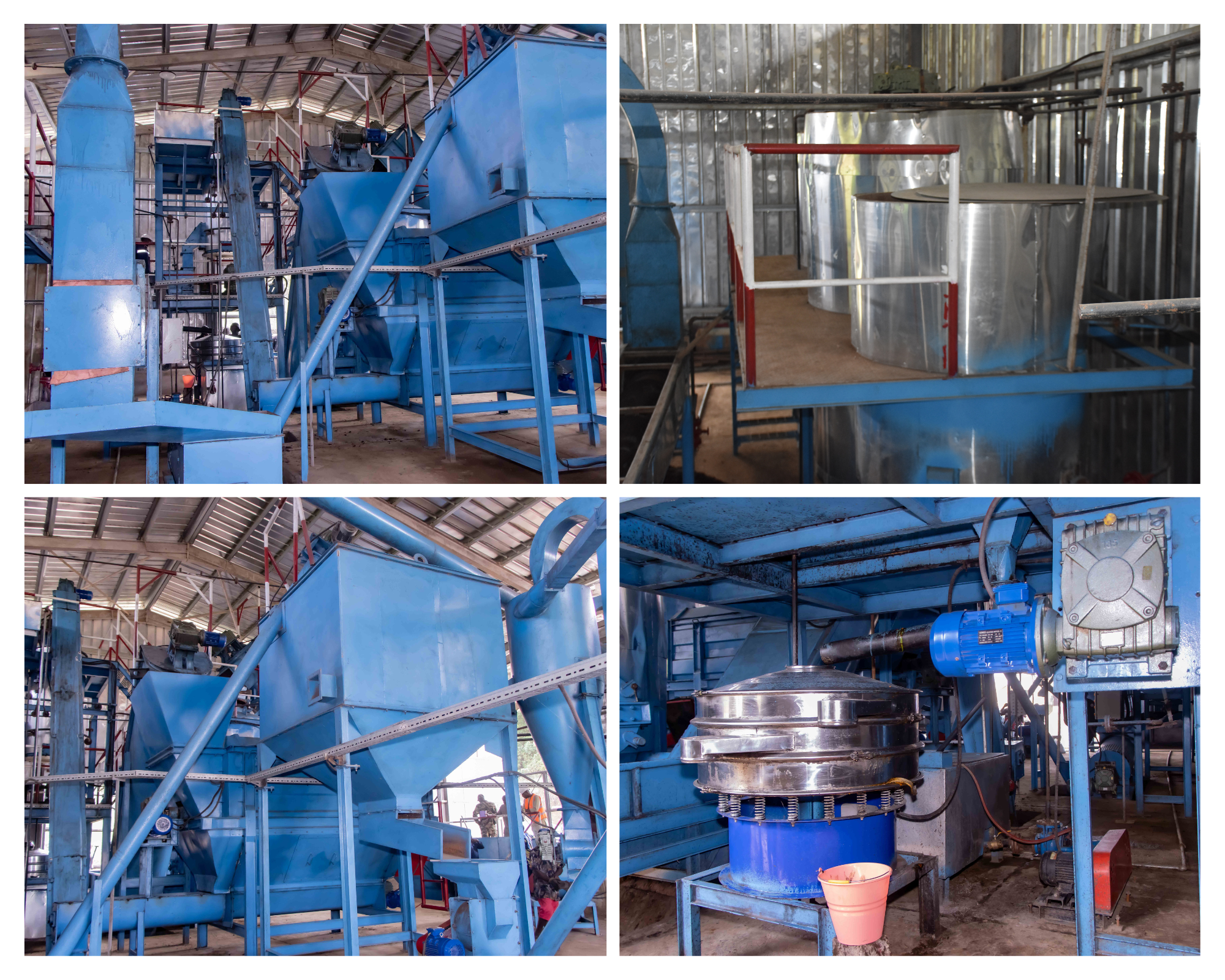
The success of the Kumba and Bombe mills lies not just in what was built, but how it was done. By integrating infrastructure with skills development, business training, and peer learning, AIVDP ensured that beneficiaries were not passive recipients, but empowered operators. The focus on cooperatives created a scalable model, one that aggregates smallholder production while building collective economic strength. This approach aligns with LLF’s emphasis on sustainable livelihoods: tackling root causes of poverty by enabling people to move up the value chain, rather than remain trapped at its base.
For many farmers, the change is deeply personal. What was once a cycle of hard labor and limited reward has become an opportunity for growth, dignity, and ambition. Cooperative members now speak not just as farmers, but as entrepreneurs, processing, packaging, and marketing products with pride.
While data collection is ongoing, the early signs are clear: increased incomes, stronger cooperatives, and expanded access to processing services. As these mills continue to operate and scale, they offer a replicable model for other regions in Cameroon and beyond.
In Kumba and Bombe, value is no longer leaving the community-it is being created within it.
Recent News
29 March 2026
.png)
01 February 2025
.png)
24 October 2024
02 February 2024
Press Release
04 September 2023

29 March 2023
14 September 2022
20 July 2022